
ELIXIRFAB / ENGINEERING RESOURCES
Better decisions for your next part.
Prepare a drawing, select a manufacturing route and define acceptance. Start with the questions your engineering and purchasing teams need to resolve.
How We Plan Swiss-Type Machining in ESPRIT
How we use ESPRIT to plan Swiss-type turning and milling, including spindle transfers, tool overhang, live-tool power, chip control, and deburring.
Does a Bar Feeder Make Swiss Machining Ready for Continuous Production?
Automatic bar feeding reduces manual loading, but extended production also requires stable stock, tool life, chip control, inspection, and fault handling.
Chip Control and Heat Management in Swiss Machining
Understand chip formation, LFV, and high-pressure coolant in Swiss machining, with practical checks for local heat, chip evacuation, wear, and dimensional stability.
Why Live Tooling on a Swiss Lathe Does Not Always Mean Fast Milling
Separate main-spindle, subspindle, and live-tool power, then assess speed, torque, cutting load, and overlapping operations against total cycle time.
Guide Bushing or No Guide Bushing? Support and Overhang in Swiss Machining
Compare guide-bushing and non-guide-bushing Swiss machining through cutting position, unsupported length, part geometry, and the limits of L/D rules.
Swiss Turning Bar Remnants: Short Stock and Material Cost
How collet, guide bushing and bar-feeding arrangements affect remnant length and material utilization, with 200 mm retained as an example from specific configurations.
Swiss Turning Bar Stock: Ground Material and Guide Bushing Fit
Why bar diameter consistency, supply condition and guide bushing fit matter in Swiss turning, including adaptive bushings and the separate requirements of hex bar stock.
Swiss Turning Bar Length: Diameter, Bar Feeding and Bar Whip
How bar length, diameter and rear support affect Swiss turning stability, using configurations we have encountered rather than a universal bar-length rule.
 AI concept visual
Which Parts Are a Good Fit for Swiss Machining?
Evaluate Swiss machining by looking at bar stock, workpiece support, live tooling, bar remnants, and order quantity before choosing a process for a turned part.
Why I Still Ask One More Question
Working with customers on manufacturing requirements has made me more careful about what I think I understand. Another question can help us confirm we mean the same thing.
Assembly Outsourcing: Define Mating Interfaces to Find Cost Savings
How thread gauges, sealing arrangements and electrical components affect assembly sourcing, approved substitutions and the total cost of manufacture and verification.
A Machining Supplier's Comfort Zone: Questions Beyond a Simple Yes
Ask connected questions about machining, handling, inspection and delivery to assess a supplier's regular working range and the responsibilities of its manufacturing partners.
Sourcing Sheet Metal Parts: Quality Details Beyond the Unit Price
How bend angles, hole locations, deburring, packaging and reverse engineering connect sheet metal sourcing with reliable inspection and assembly.
Sourcing a Precision-Ground U-Shaped Fixture Component: Managing a 4 µm Requirement
Define functional faces, flatness, parallelism, inspection conditions, heat treatment and protective packaging before sourcing a U-shaped fixture component.
17-4 PH Valve Stems: Corrosion, Seawater and Heat Treatment
How we review 17-4 PH valve stems: corrosion exposure, seawater risks, H900/H1025/H1150 conditions, machining sequence and functional-surface acceptance.
Alloy C22 Valve Stems: Corrosion Resistance and Seawater Conditions
How Alloy C22 / UNS N06022 addresses chemical and seawater corrosion, and what to confirm when machining valve stems, bores and functional surfaces.
Duplex Valve Stems in Seawater: Why the Grade Matters
Compare 2205 and 2507 duplex stainless steel for valve stems, including seawater corrosion risks and what we check before machining.
 AI concept visual
Taiwan Manufacturing & Our Commitments
A working sequence for requirements, samples, manufacturing records and shipment.
 AI concept visual
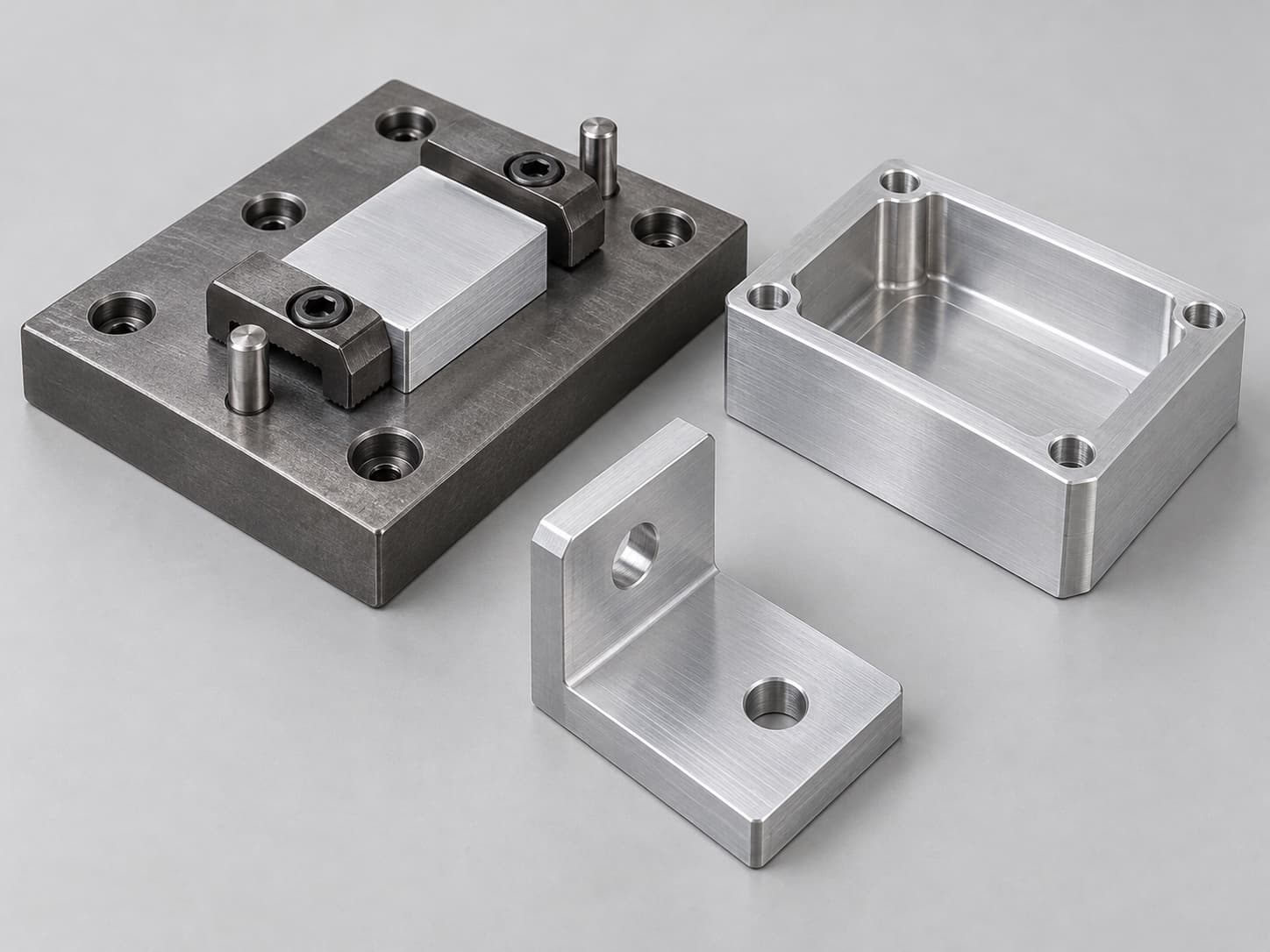
Agreeing on Critical Tolerances and Inspection
Connect functional dimensions with measurement methods and acceptance records.
 AI concept visual
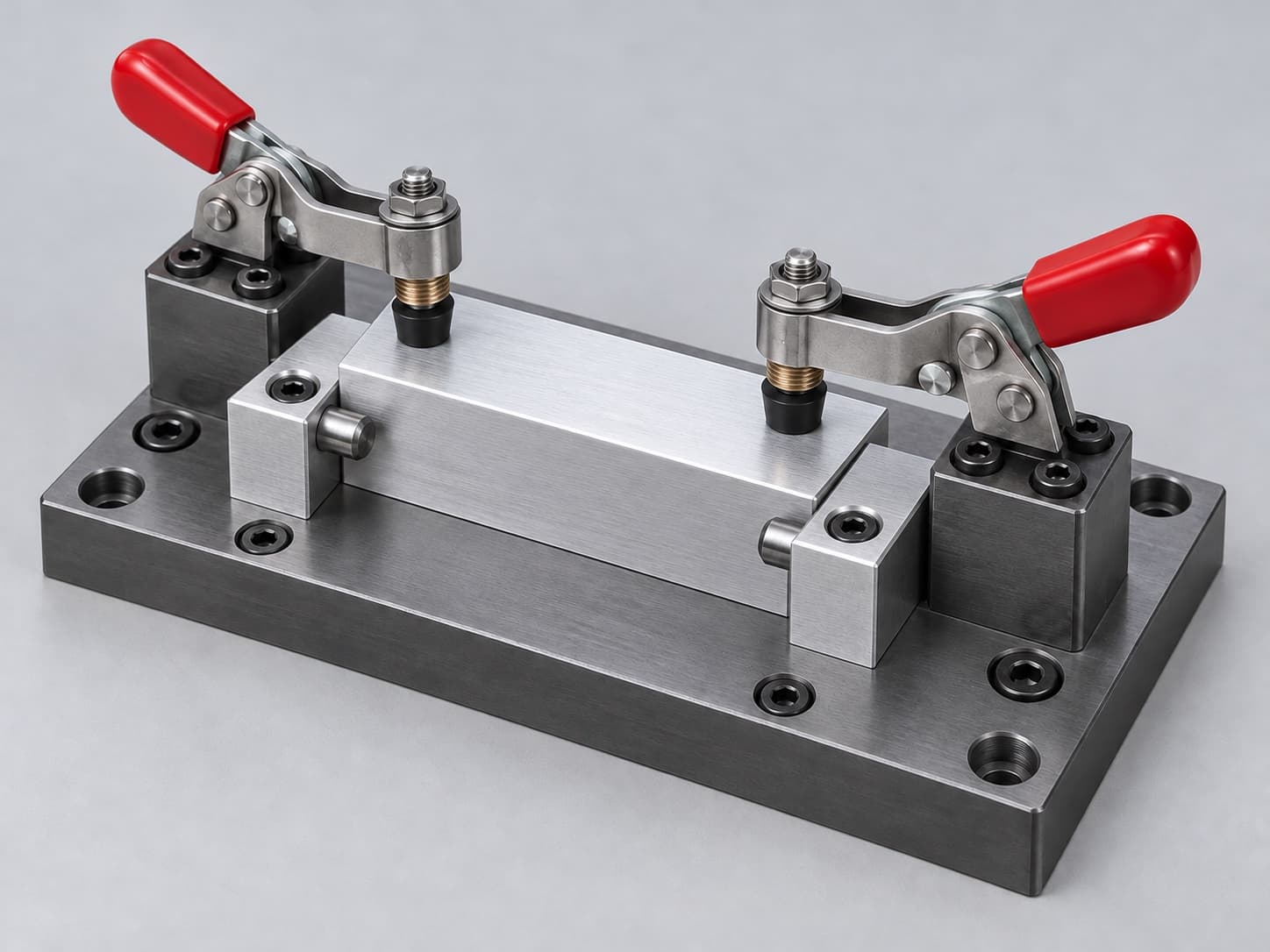
Preparing a Fixture and Workholding Requirement
Define the part, operation, locating strategy and acceptance test before fixture manufacture.
AI concept visualPreparing a CNC Manufacturing RFQ
A working checklist for drawings, materials, quantities, inspection and delivery requirements.
AI concept visualSpecify Surface Treatment Before Quotation
Coordinate coating, masking, final dimensions and verification in a machining project.
AI concept visualSwiss-Type or Conventional CNC Turning?
Questions that help match a turned part to a manufacturing route.
5-Axis Retrofit Planning: Feasibility, Scope and Acceptance
A requirements checklist for assessing a CNC retrofit, distinguishing indexed and simultaneous machining, and agreeing on cost, downtime and acceptance.