ELIXIRFAB / VALVE COMPONENTS

Valve Stems
& Valve Shafts

The parts may look similar, but changing the alloy changes the manufacturing plan.

We offer custom valve stems and shafts in 17-4 PH stainless steel, 2205 duplex stainless steel and Alloy C22. We plan machining, functional surfaces, inspection and delivery around your drawing and material requirements.

17-4 PH / SUS630Duplex 2205Alloy C22
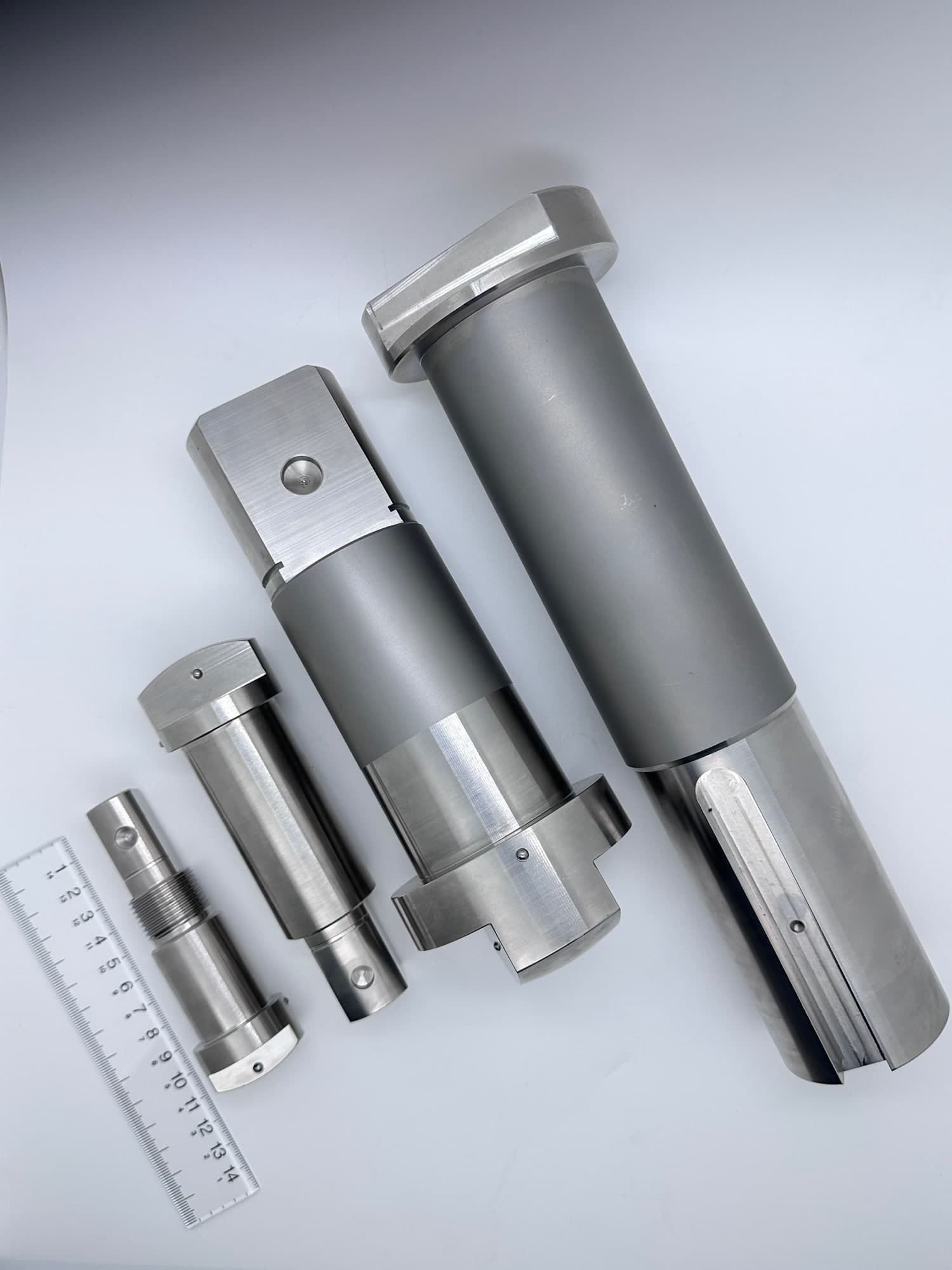
Four machined valve stems and shafts with different diameters, flats, holes and threaded features
ACTUAL PARTS / TAIWANDifferent details. One considered process.

THE PRODUCT LINE

Built around the details that matter.

Depending on the valve design, the component may be described as a valve stem, valve shaft or spindle.

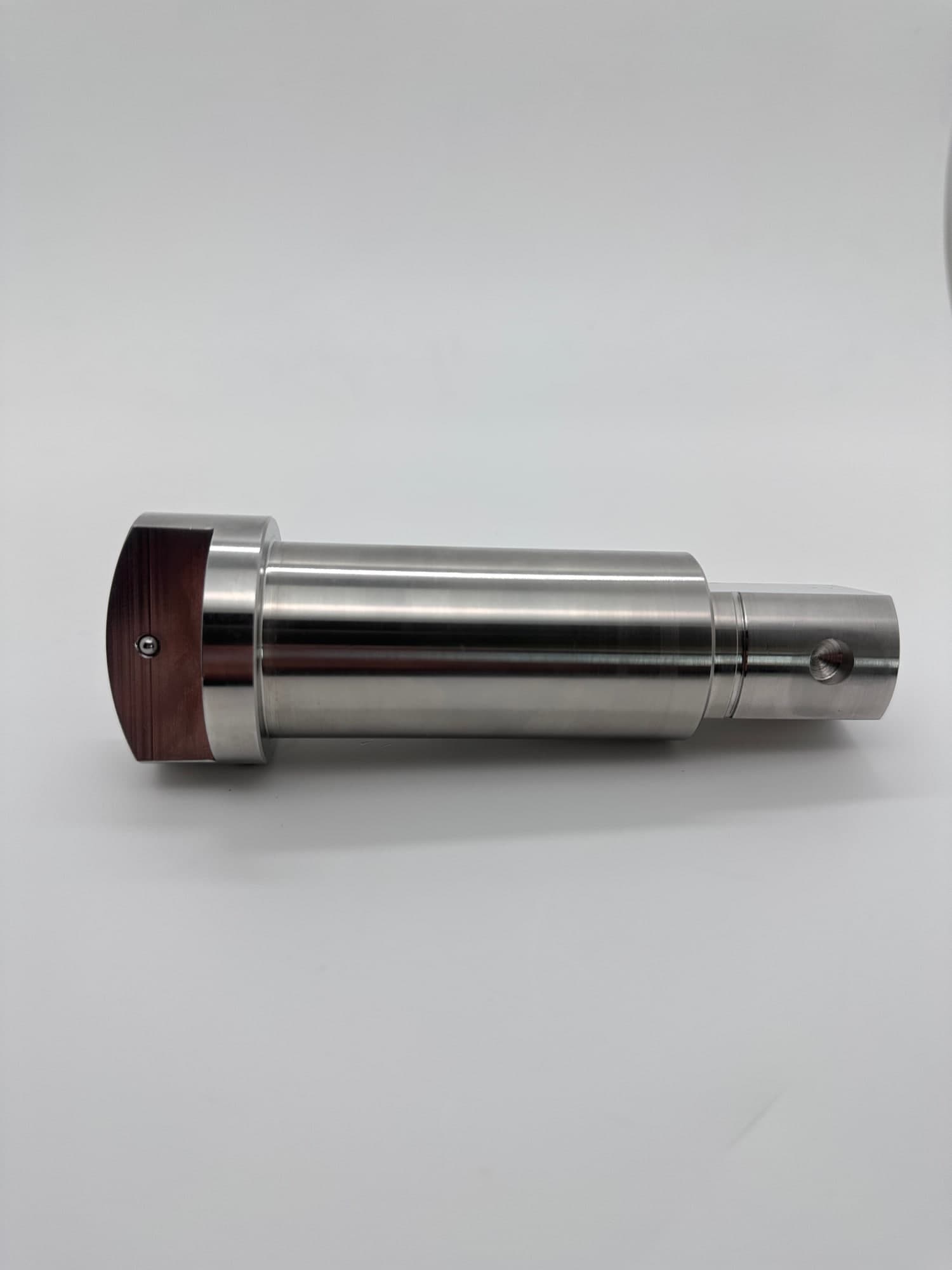
Cylindrical valve shaft with a shoulder, end flats and a transverse hole01

Stepped diameters & end features

Coordinate diameters, shoulders, flats and cross-hole positions from the drawing datums.

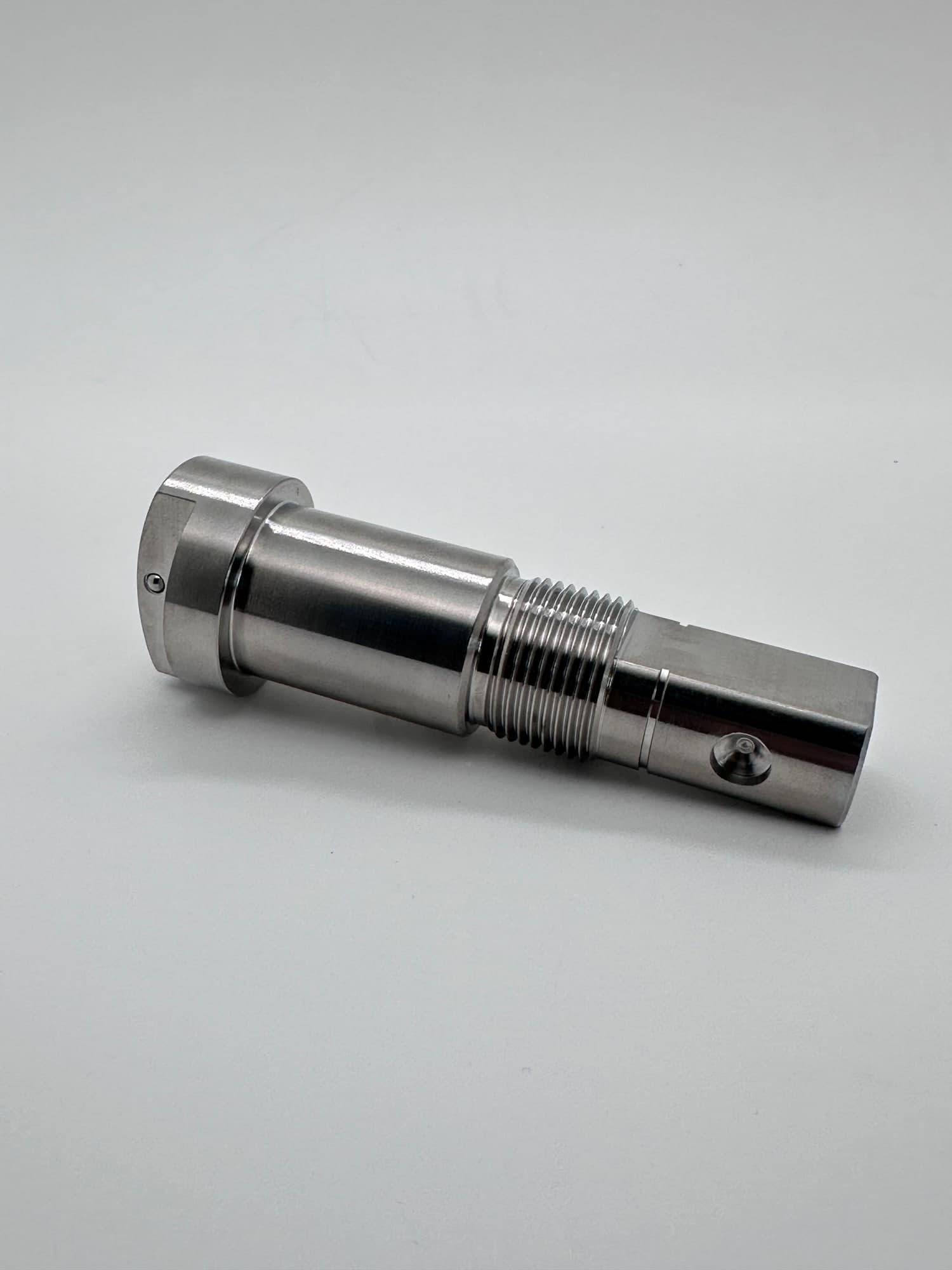
Machined valve stem with an external thread, end flats and a transverse hole02

Threads & drive interfaces

Review thread requirements and the relationship between drive features and the stem axis.

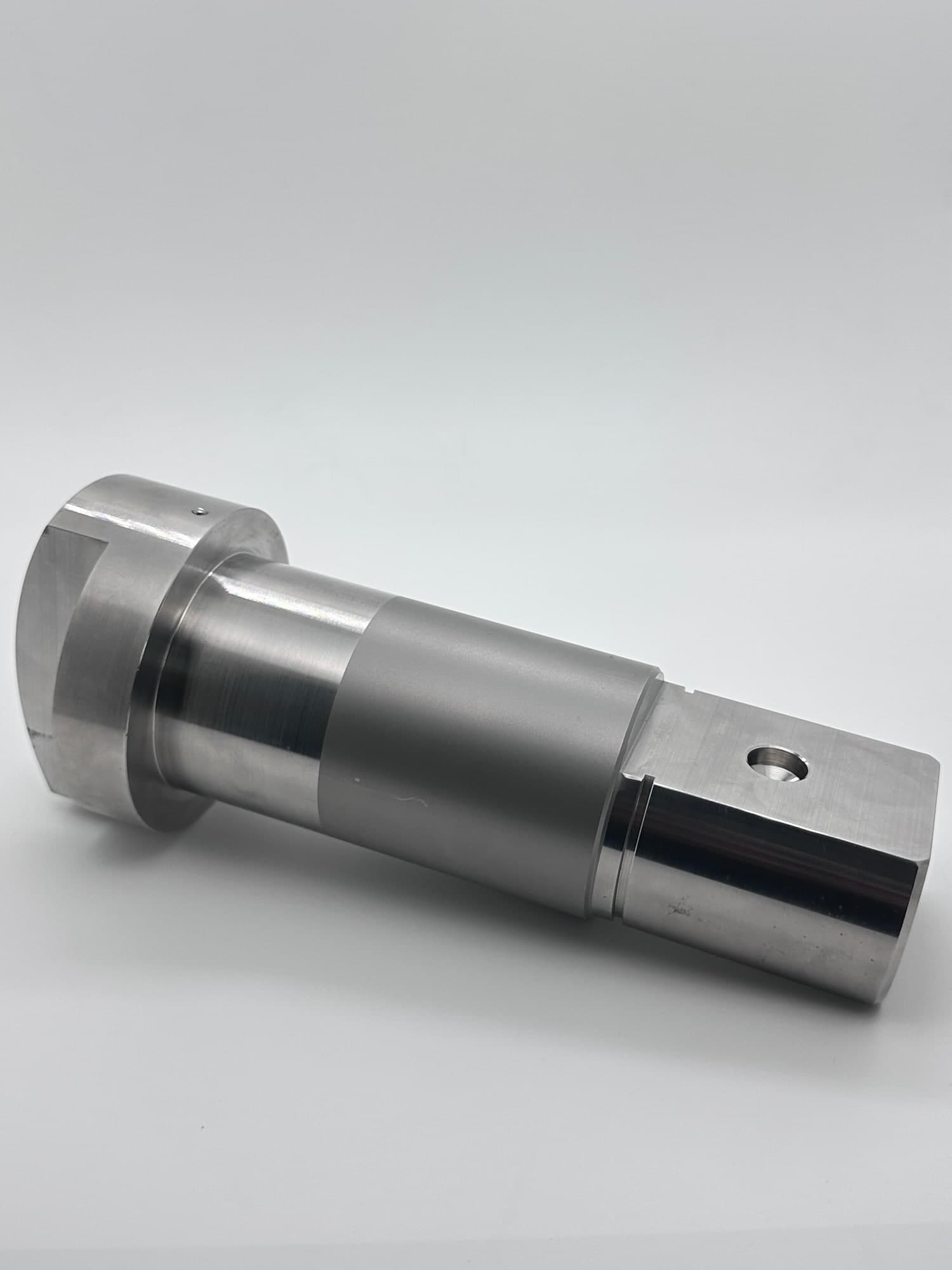
Valve shaft with visibly different surface appearances along the cylindrical body and a hole in the end flat03

Defined functional surfaces

Specify packing, seal and wear surfaces on the drawing, with their final roughness and inspection requirements.

Actual product photographs supplied for this product line. They show geometry and appearance; they do not establish an individual part’s alloy, coating, dimensions or service rating.

SAME GEOMETRY. A NEW REVIEW.

One geometry does not mean one manufacturing process.

We manufacture closely related valve-stem and shaft geometries in different alloys. Each material addresses a different engineering requirement, so we review the CNC program, workholding, finishing and inspection plan for the specified material.

Material conditionHardness & strengthCutting load & tool lifeHeat & chip controlDistortion riskInternal-feature accessSurface-finish strategyPost-processingInspection & documentation

Cutting parameters depend on the exact grade, condition, stock source, diameter, tooling, machine rigidity and internal geometry. We define them for the actual setup.

THREE MATERIALS / THREE PLANNING PRIORITIES

The alloy changes the questions we ask.

The customer’s engineering team selects the material for the service. We turn that specification into a manufacturing and acceptance plan.

01

PRECIPITATION-HARDENING STAINLESS STEEL

17-4 PH / SUS630

Strength, hardness and corrosion resistance, with properties shaped by the specified aging condition.

Start with the material condition.

17-4 PH can be supplied solution-treated or aged. A drawing that says only “SUS630” leaves important manufacturing decisions open. The required condition—H900, H1025, H1150 or another specification—sets the basis for machining and heat-treatment planning.

  • Confirm the incoming condition and required final condition.
  • Decide between rough machining before treatment and machining already aged stock.
  • Reserve any required finishing, grinding or polishing allowance after treatment.
  • Define final inspection points for straightness, datum relationships, runout and contact surfaces.

For a valve stem, condition and operation sequence come before assumptions about the finished surface. Review packing and seal contact areas, wear surfaces, threads and cross-hole positions together. An alloy designation alone does not establish seawater suitability.

02

DUPLEX STAINLESS STEEL

2205 Duplex Stainless Steel

2205 · UNS S32205 · EN 1.4462 · JIS SUS329J3L

Plan for 2205 strength, cutting load and service conditions.

2205 is a nitrogen-alloyed austenitic-ferritic stainless steel used where strength and chloride-corrosion resistance are required. Confirm the specified UNS grade, supply condition and product standard on the order and Material Test Certificate. Suitability for marine service still depends on temperature, fluid chemistry, flow and crevice conditions.

Common international grade names for 2205
Region / designation systemGrade name / number
Taiwan / trade name2205 / Duplex 2205
United States / UNSS32205
Europe / GermanyEN / W.Nr. 1.4462 · X2CrNiMoN22-5-3
Japan / JISSUS329J3L
China / GB022Cr23Ni5Mo3N

For bar stock, common product specifications include ASTM A276 / A479, EN 10088-3 and JIS G4303. These are product standards, distinct from grade names. Confirm the applicable standard, edition, material condition and certificate for each order.

  • Use stable, rigid workholding and review the higher cutting load.
  • Reassess tool wear, heat and chip control rather than copying a 300-series stainless process.
  • Plan effective cutting, tool access and chip evacuation for bores, grooves and deep features.
  • Confirm chloride level, temperature, flow or stagnation, crevices, stress and other fluid chemicals.

UNS S31803 is also encountered in 2205 specifications, but S31803 and S32205 have different chemical-composition limits. Dual certification must be established by the material certificate; the designations do not authorize an automatic substitution.

03

NICKEL–CHROMIUM–MOLYBDENUM ALLOY

Alloy C22 / UNS N06022

A corrosion-resistant nickel alloy for demanding chemical-process requirements.

Control the entire process, not only the final dimension.

Alloy C22 is considered for oxidizing and non-oxidizing chemical media and applications where pitting, crevice corrosion or stress corrosion cracking are concerns. Its suitability still depends on fluid chemistry, temperature and the actual service conditions. We use the generic Alloy C22 designation unless the material certificate confirms a specific producer or brand.

  • Reduce scrap and rework exposure through a planned machining and workholding sequence.
  • Plan cooling and chip evacuation where tools enter internal bores, grooves and deep features.
  • Define inspection access before machining; external appearance cannot verify an internal surface.
  • Link material heat numbers to parts and agree on contamination control, cleaning and special-process responsibilities.

With Alloy C22, controlling scrap, internal-feature machining, inspection and material traceability can be as important as achieving the nominal dimensions.

OUR VALVE-COMPONENT CAPABILITIES

From critical features to an agreed inspection plan.

We provide drawing-based valve stems and shafts with turned diameters, milled drive features, threads and cross-holes. We review material condition, functional surfaces, inspection access and delivery requirements together before production.

Turn-mill machining

We review turned diameters, shoulders, flats, threads and cross-holes together, with a machining sequence suited to the material and drawing.

Geometry & surface measurement

We define the required dimensional, straightness, runout and surface-roughness checks against the drawing and functional surfaces.

Project-specific acceptance

We confirm material condition, inspection access, treatment requirements and delivery records before order acceptance.

FROM MATERIAL TO SHIPMENT

One shared process checklist.

The review framework stays consistent. The actual route, inspection scope and records are agreed for each order.

01

Before machining

  • Exact grade, material condition, heat-treatment requirement and Material Test Certificate (MTC).
  • Critical dimensions, functional surfaces and required roughness.
  • Inspection access for internal features.
  • Post-processing and certification requirements.
02

During process planning

  • Roughing and finishing sequence, workholding and deformation risks.
  • Internal tool access, chip evacuation and finishing allowance.
  • Inspection points before irreversible processes.
  • Separate requirements for cosmetic and functional surfaces.
03

Before shipment

  • Dimensions, straightness, runout and roughness as applicable.
  • Post-processing lot, certificate and material heat-number traceability.
  • Inspection records matched to the correct drawing revision.
  • Protection of finished functional surfaces during cleaning and packaging.

SPECIFY THE RIGHT POST-PROCESS

Passivation and hydrogen relief are not the same process.

01 / PASSIVATION

Treat surface contamination.

Passivation is a chemical treatment of a clean stainless-steel surface to address free iron and foreign contamination. It does not add a corrosion-resistant coating or upgrade the alloy. The drawing or customer specification must define the procedure and verification.

ASTM A967/A967M covers stainless-steel passivation treatments and verification methods. Its scope does not automatically define a treatment for nickel-base Alloy C22 or guarantee suitability for a particular application.

ASTM A967/A967M-25
02 / HYDROGEN RELIEF

Review the hydrogen-introducing process.

Hydrogen-relief baking is not a standard step automatically applied to every 17-4 PH, duplex or C22 part after machining.

SAE AMS2759/9E addresses hydrogen-embrittlement relief baking of heat-treated steel after plating, pickling, etching, chemical milling or other chemical processes that may introduce hydrogen. Whether it applies must be checked against the actual material condition, preceding process and governing specification.

SAE AMS2759/9E

LET’S REVIEW YOUR NEXT STEM

Start with your drawing. Build the plan around your alloy.

Send the information below and suggest a convenient time for a five-minute call. We will use the discussion to clarify material condition, critical surfaces and the manufacturing and inspection scope.

  • 01Drawing and revision
  • 02Exact alloy, material condition and available MTC
  • 03Quantity and target delivery
  • 04Critical dimensions, datums and surface roughness
  • 05Heat treatment, finishing and required inspection records